
Walking into a busy retail store in Metro Manila during peak hours is an experience most Filipinos know too well. The air-conditioned entrance gives way to a sea of shoppers, and the checkout counter becomes the ultimate test of patience. In a country where Filipino hospitality and warm service are deeply valued, long waiting lines can quickly turn a pleasant shopping trip into a frustrating ordeal.
The reality is that poor queue management directly impacts the overall customer experience. Shoppers today expect efficiency alongside warmth. When retail waiting lines stretch too long, customers feel undervalued, and businesses risk losing repeat patronage to competitors who offer smoother, more respectful service. Improving the customer journey from entry to exit is no longer optional — it is a competitive necessity for retail businesses across the Philippines.
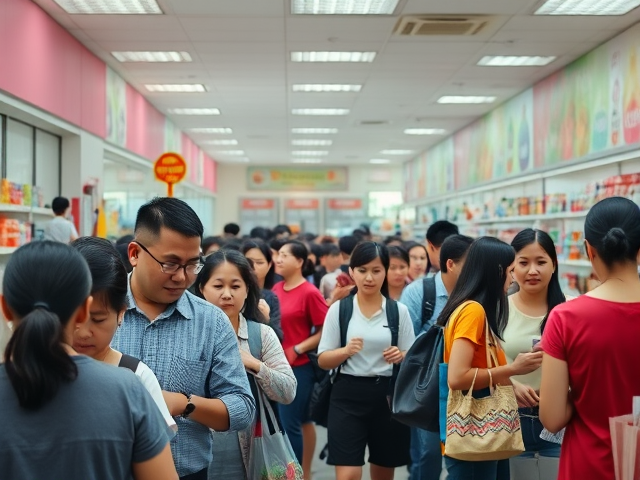
In the Philippines, retail is more than transactions — it is a social experience. Filipinos enjoy browsing, comparing, and engaging with store staff. However, when waiting lines become excessive, that social warmth turns into impatience. Studies show that customers begin feeling dissatisfied after just five to ten minutes of waiting, and beyond that, the likelihood of walk-aways increases dramatically.
For retail businesses, the cost of poor customer experience extends beyond lost sales. Negative experiences spread quickly through word-of-mouth and social media, damaging brand reputation in a market where trust and recommendation carry enormous weight. A well-managed queue, on the other hand, signals respect for the customer's time and sets the tone for a positive customer journey from the very first moment of engagement.
Not all waiting lines are the same. Recognising the type of queue your retail business operates helps you choose the right approach to improve the customer experience.
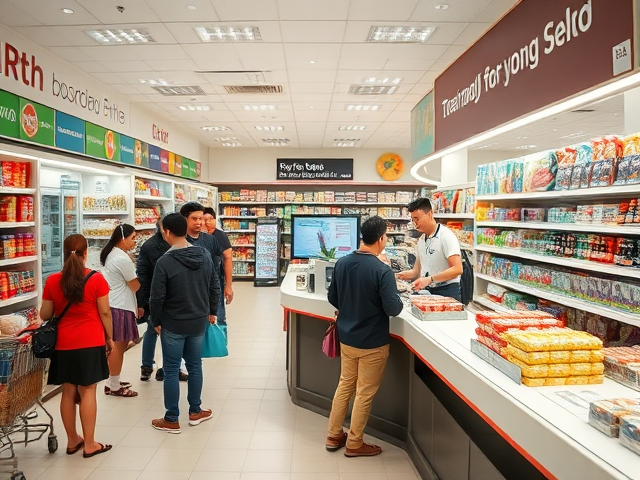
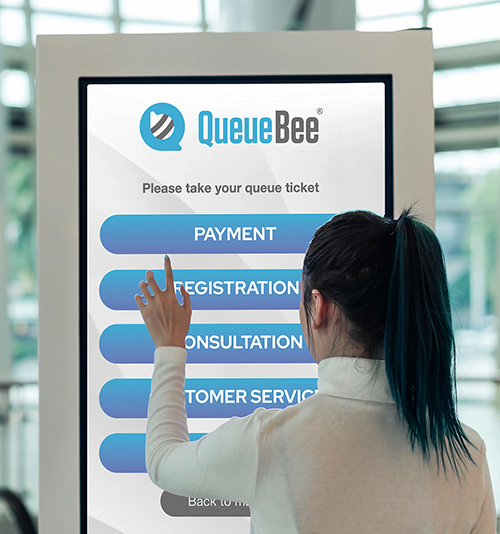
The single most impactful tip for improving customer experience in retail is to reduce actual and perceived wait times. Research indicates that the average customer tolerates roughly six minutes of waiting before dissatisfaction sets in. In the fast-paced retail environment of the Philippines, where shoppers often juggle multiple errands, this window is even shorter.
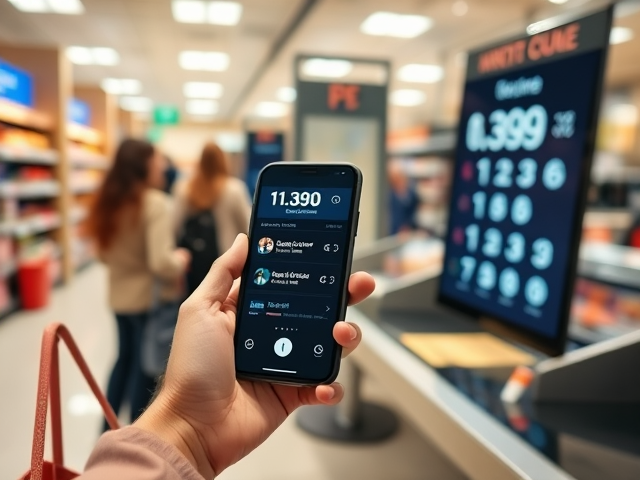
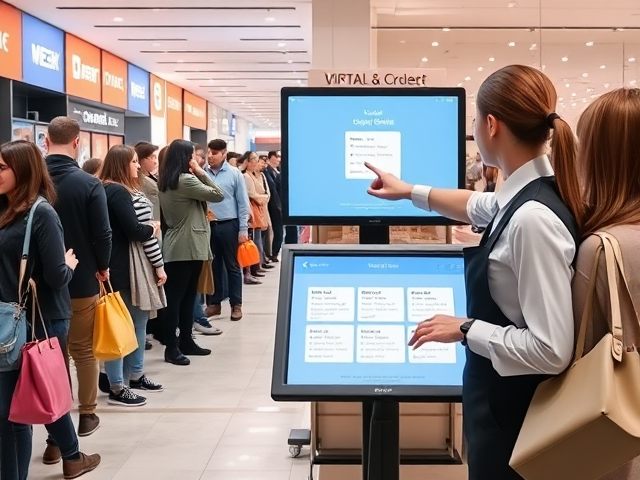
Implementing a queue management system is the most effective way to achieve this. By automating ticketing, providing real-time queue status updates, and enabling virtual queuing, retail stores can dramatically cut down physical waiting times. When customers know their place in line and receive accurate wait estimates, their perceived experience improves significantly, even before they reach the counter.
A modern queue management system also allows staff to balance workload across multiple counters, preventing bottlenecks during peak hours. This operational efficiency directly translates into a better customer experience, as shoppers feel their time is respected and valued.
Uncertainty is the enemy of customer experience. When shoppers stand in a retail waiting line without knowing how long they will wait or what to expect next, anxiety builds. The second customer experience tip is simple but powerful: communicate clearly and continuously.
Effective communication during the waiting process includes:
When customers feel informed and acknowledged, the customer journey improves at every touchpoint. Communication is not just about information — it is about making shoppers feel valued from the moment they enter your store.
The physical environment of a retail waiting line shapes the customer experience as much as the wait duration itself. A cramped, poorly lit queue area creates stress, while a well-designed space can turn waiting into a relaxed part of the shopping experience.
By investing in the physical and psychological comfort of your retail waiting lines, you demonstrate genuine care for the customer journey. Small design improvements yield disproportionate returns in customer satisfaction and loyalty.

Technology alone cannot fix every customer experience problem. The human element remains irreplaceable, especially in the Philippines where personal interaction is deeply appreciated. The fourth customer experience tip focuses on empowering your staff to manage queues with warmth and efficiency.
When staff are empowered, trained, and motivated, they become the strongest asset in delivering an outstanding customer experience. A queue management system supports them with data and automation, but the human touch is what truly resonates with Filipino shoppers.
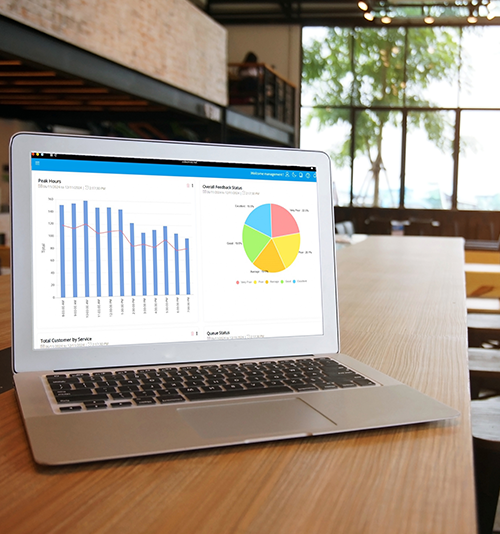
One of the most overlooked customer experience tips is the use of data. A modern queue management system captures valuable metrics — average wait times, peak hour volumes, service duration per counter, and customer drop-off rates. These insights are gold for retail businesses seeking to refine the customer journey.
By analysing queue data, store managers can identify patterns and make informed decisions. For example, if data reveals that Saturday afternoons consistently produce the longest waits, management can schedule additional staff or activate extra checkout counters during those periods. If certain counters consistently serve customers faster, their techniques can be shared across the team.
Data-driven improvements are not reactive — they are proactive. Retail businesses that continuously monitor and optimise their queue performance stay ahead of customer expectations and maintain a competitive edge in the Philippine retail market. Moreover, a queue management system provides real-time dashboards that allow managers to respond instantly to surges in foot traffic. This agility ensures that the customer experience remains consistently high, even during unpredictable peak periods.
In the Philippines, many shoppers prefer to browse at their own pace rather than stand in a physical line. The sixth customer experience tip is to offer virtual queuing options that allow customers to join a queue remotely and receive updates via SMS or WhatsApp.
Virtual queuing is particularly effective for retail businesses in malls, commercial centres, and busy urban areas where customers may be juggling multiple stops. By enabling remote queue joining, you give shoppers the freedom to explore other stores, grab a coffee, or complete errands while waiting for their turn.
This approach aligns perfectly with the modern Filipino shopper's lifestyle — tech-savvy, time-conscious, and value-driven. When customers can manage their queue from their phone, the perceived wait time drops, and the overall customer experience improves dramatically.
Additionally, virtual queuing reduces congestion inside the store, creating a more comfortable shopping environment for everyone. It is a win-win: customers enjoy flexibility, and retailers benefit from a calmer, more manageable floor.
The final customer experience tip is to turn waiting into a rewarding experience. Filipino shoppers appreciate when businesses go the extra mile to show appreciation. Offering small perks to customers in the queue — such as discount vouchers, loyalty points, or complimentary samples — transforms a passive wait into an engaging moment.
When customers feel rewarded for their patience, the customer experience shifts from tolerable to memorable. These small gestures build emotional loyalty, which is far more powerful than price discounts alone. A queue management system can automate these rewards, ensuring every waiting customer receives their perk without manual effort.

Ready to elevate your retail waiting lines and deliver an outstanding customer experience across the Philippines? QueueBee's queue management system is designed to reduce wait times, streamline the customer journey, and empower your staff with real-time insights. From virtual queuing to data-driven analytics, QueueBee provides the tools you need to turn every customer interaction into a positive, memorable experience.
Contact us today for a personalised solution