
Walking into a busy medical centre in the Philippines, the scene is often the same — a crowded waiting room, patients standing in long lines, and the quiet anxiety of wondering how long it will take to finally see a doctor. For decades, the traditional first-come-first-served approach has been the norm across clinics, hospitals, and health centres throughout the country. But as healthcare demands continue to rise, this outdated system is no longer sustainable.
Long wait times do more than frustrate patients. They create bottlenecks that affect staff morale, reduce the number of patients a clinic can serve each day, and ultimately compromise the quality of care. A modern queue management system designed specifically for healthcare environments offers a practical solution to these challenges, transforming the patient experience from a source of stress into a seamless, respectful interaction.
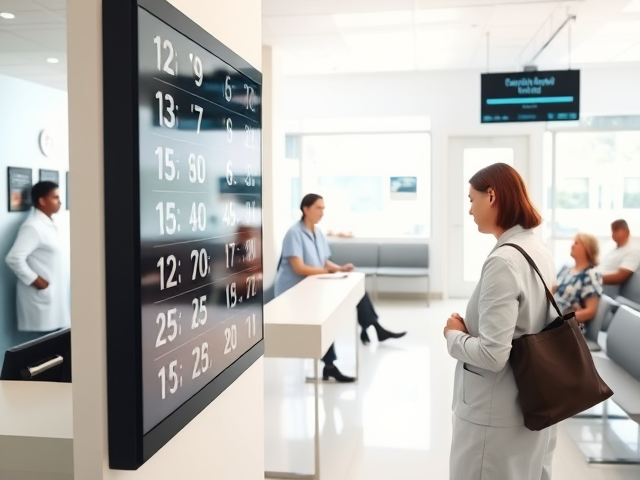
The healthcare landscape in the Philippines is evolving rapidly. With a growing population, increasing demand for medical services, and the expansion of both public and private healthcare facilities, medical centres are under constant pressure to deliver efficient and compassionate care. A patient queue management system addresses the core operational challenges that clinics face every day.
Without proper queue management, medical centres struggle with unpredictable patient flow, overcrowded waiting areas, and staff who are constantly managing complaints about wait times. These issues not only affect patient satisfaction but also impact clinical outcomes. When patients are rushed or left waiting for extended periods, the quality of consultation suffers. Implementing a dedicated patient queue management system helps medical centres regain control of their daily operations and deliver a higher standard of service.
Understanding the available queue management approaches helps medical centres choose the right solution for their specific needs.
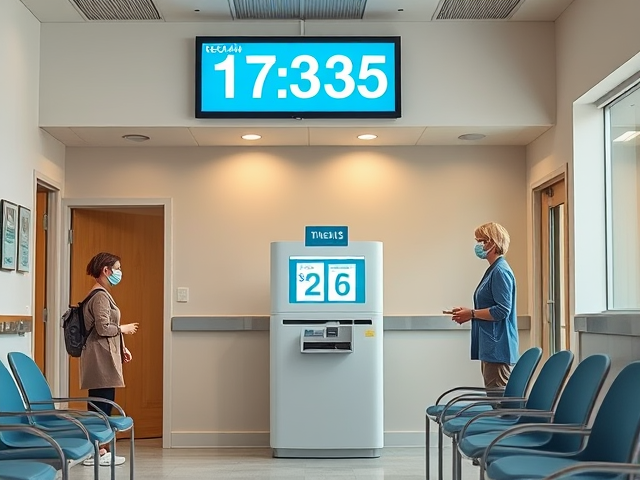
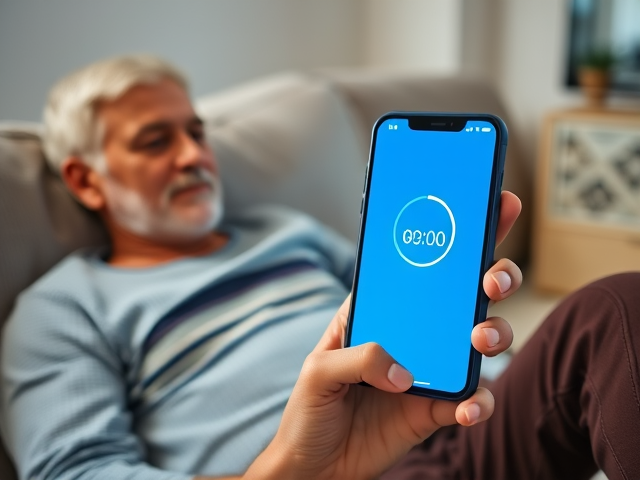
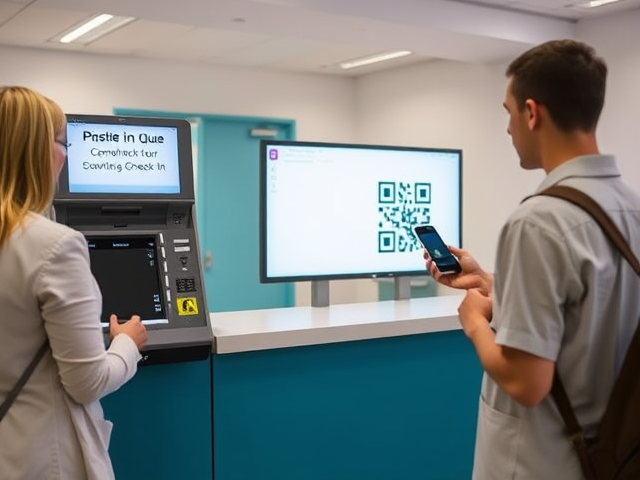

In many Philippine medical centres, patients routinely wait two to four hours before seeing a doctor. This is not an isolated problem — it is a systemic issue that affects millions of patients every day. Research shows that most people begin to feel frustrated after just five to ten minutes of waiting. Beyond that threshold, patience erodes quickly, and the experience of receiving medical care becomes unnecessarily stressful.
A well-implemented queue management system for healthcare dramatically reduces these wait times by intelligently scheduling patient flow, prioritising urgent cases, and ensuring that doctors and staff are always working at optimal capacity. Virtual queuing eliminates the need for patients to physically occupy waiting room space, while smart scheduling ensures that consultation rooms are utilised efficiently throughout the day. The result is a medical centre where patients spend less time waiting and more time receiving the care they need.
For medical centres in the Philippines, this improvement is not just about convenience — it is about delivering dignified, respectful healthcare service. When patients know their time is valued, they are more likely to follow through with treatment plans, return for follow-up appointments, and recommend the centre to others in their community.
Uncertainty is one of the most stressful aspects of visiting a medical centre. Patients do not know how long they will wait, whether the doctor is running behind schedule, or if they should stay in the waiting room or step outside for a moment. This lack of information creates anxiety, especially for elderly patients, pregnant women, and those managing chronic conditions who may need to sit for extended periods.
A modern patient queue management system eliminates this uncertainty by providing transparent, real-time communication throughout the entire visit:
By integrating seamless communication into the queuing process, medical centres create a patient experience that feels modern, respectful, and professional. Whether through a mobile app, digital displays in the waiting area, or automated notifications, patients stay informed and engaged throughout their entire visit. This not only smooths out the waiting experience but also reinforces the medical centre's commitment to patient care.
Medical centres in the Philippines often deal with unpredictable patient volumes. Some days may see a sudden surge in walk-in patients due to seasonal illnesses, while other days may be quieter than expected. Without a system to manage this variability, waiting rooms become overcrowded, and the overall atmosphere of the clinic suffers.
Efficient patient flow management is essential for any medical centre. It is not just about moving people through the clinic — it is about creating an orderly, comfortable environment where patients feel respected and cared for. This approach does not just solve logistical issues; it enhances the entire healthcare experience, making visits smoother and more pleasant for everyone involved.

In the competitive healthcare landscape of the Philippines, patient satisfaction is a key differentiator. Patients have more choices than ever before, and they will choose medical centres that treat them with respect, efficiency, and professionalism. A patient queue management system plays a crucial role in elevating the standard of care that medical centres provide:
Effective patient care is a continuous journey of understanding and responding to patient needs. Implementing a robust patient queue management system is a powerful step in this journey, ensuring that every interaction contributes to building a strong, lasting relationship between the medical centre and its patients.
Medical centre staff in the Philippines already face enormous challenges — long working hours, high patient volumes, and the emotional demands of healthcare. Adding the burden of managing chaotic queues and constant patient complaints about wait times only compounds the stress. Nurses, receptionists, and doctors all feel the impact of disorganised patient flow.
When queues are unmanaged, staff spend valuable time answering the same questions repeatedly — "How long is the wait?" "Where do I go next?" "Is my turn coming up soon?" This constant interruption disrupts their workflow and detracts from the care they can provide to patients.
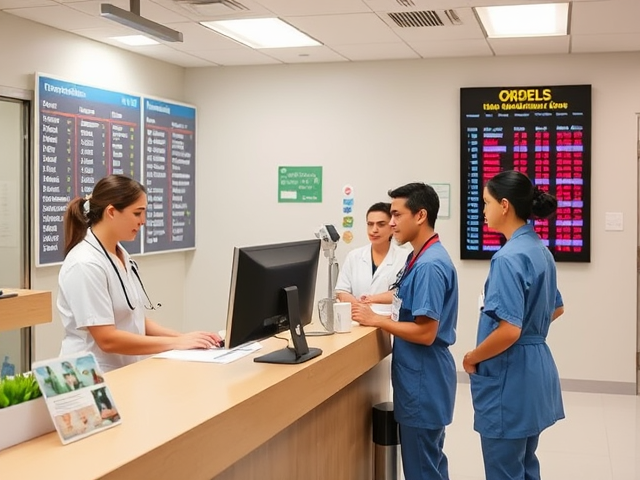
A patient queue management system takes the burden of queue management off the staff. By automating the queuing process and keeping patients informed, much of this stress is eliminated. Staff no longer need to manage complaints about wait times or direct patients to different areas of the clinic.
Imagine a system where patients know exactly what to expect and when. They are less likely to approach staff with repetitive questions because they are not caught in an endless loop of uncertainty. This kind of transparency does not just help patients; it takes a significant load off the staff too.
And when staff are not constantly putting out fires caused by long waits and poor communication, they are free to do what they do best — provide quality medical care. They can focus on patient consultations, follow-up treatments, and genuinely connecting with patients. This not only improves morale among the healthcare team but also elevates the overall standard of medical service delivered.
In the healthcare sector, inefficiencies directly impact both costs and patient outcomes. Long, unmanaged queues lead to wasted staff time, overcrowded facilities, and patients who leave without being seen — all of which represent lost revenue and missed opportunities for care. In the Philippines, where many medical centres operate on tight margins, these inefficiencies can be particularly damaging.
A dedicated queue management system for medical centres makes a tangible difference:
The impact of a system like QueueBee's can be substantial. By improving productivity and efficiency, it opens the door to significant operational cost savings. When medical centres can serve more patients per day with the same resources, the return on investment for a queue management system becomes clear and compelling.
A patient queue management system does more than just manage lines — it provides valuable data across the entire patient journey. This data is essential for medical centre administrators who need to make smarter, more informed decisions about staffing, resource allocation, and service improvements.

For medical centres in the Philippines, the combination of operational efficiency, improved patient satisfaction, and data-driven decision-making makes a patient queue management system not just a technology upgrade — it is a strategic investment in the future of the clinic.
QueueBee's patient queue management system is designed specifically for the unique needs of healthcare facilities in the Philippines. From small clinics in provincial areas to large medical centres in Metro Manila, QueueBee provides a scalable, reliable solution that transforms how medical centres manage patient flow.
Here is how QueueBee supports medical centres across the Philippines:
Ready to revolutionise patient care at your medical centre? Discover how QueueBee's patient queue management system can reduce wait times, improve patient satisfaction, and streamline your clinic operations across the Philippines.
Contact us today for a personalised solution