
Picture this: you walk into a busy bank branch on a Monday morning. The moment you step inside, you are greeted by a sea of people standing shoulder to shoulder, some holding crumpled pieces of paper, others shuffling forward inch by inch. The air is thick with impatience. A single teller is working at a blistering pace, but the line barely moves. This is the reality of manual waiting lines — a system that has persisted for decades but is rapidly becoming obsolete in today's fast-paced world.
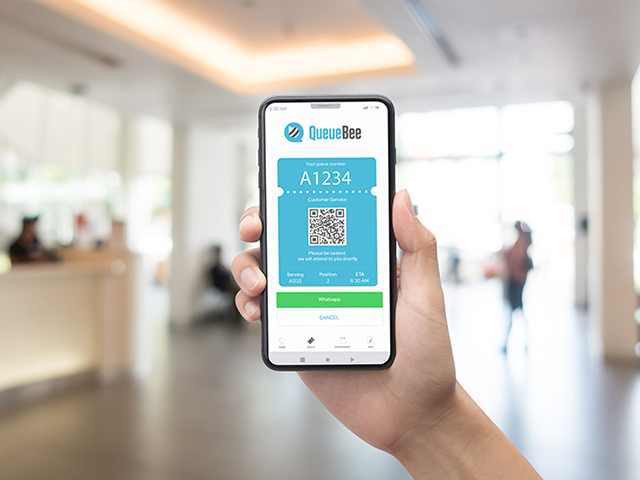
Now imagine the same scenario, but this time, you scan a QR code on your phone, join a virtual queue, and receive an SMS notification when your turn is approaching. You stroll in right on time, greeted by a smiling staff member who already has your file ready. The difference is staggering. This is the power of a queue management system — a digital transformation that eliminates the chaos of manual queuing and replaces it with order, efficiency, and customer satisfaction.
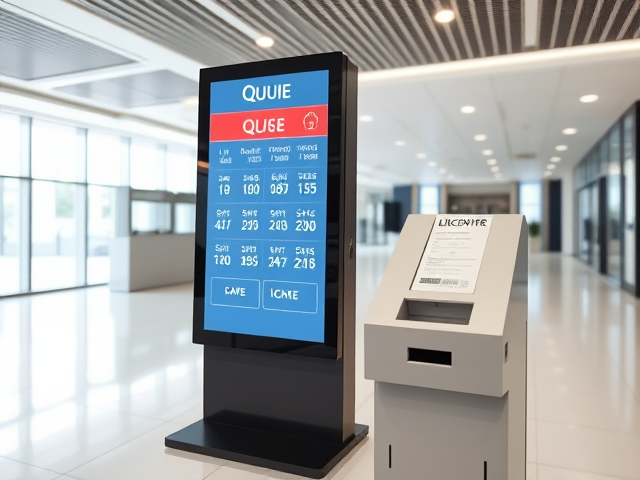
In an era where customers expect instant gratification, the way a business manages its queue can make or break its reputation. Manual waiting lines have been the default for generations, but they come with a host of problems that no modern business can afford to ignore. Long queues lead to frustrated customers, lost revenue, and damaged brand loyalty. On the other hand, a queue management system offers a structured, data-driven approach that benefits both customers and businesses alike.
The debate between a queue management system vs manual waiting lines is not just about convenience — it is about survival. Businesses that cling to outdated manual queuing methods risk falling behind competitors who have embraced digital solutions. Understanding the key differences between these two approaches is the first step toward making an informed decision that will shape your business's future.
Two Approaches to Customer Queuing


When comparing a queue management system vs manual waiting lines, the most immediate difference is wait time. Manual queues are notorious for unpredictable delays. A customer might stand in line for 30 minutes or more, with no idea how much longer the wait will be. This uncertainty breeds frustration, and frustration drives customers away.
A queue management system, on the other hand, dramatically reduces wait times through smart scheduling and virtual queuing. Customers no longer need to physically stand in line. They can join a queue remotely and receive real-time updates on their position. Studies show that virtual queuing can reduce perceived wait times by up to 60%, transforming what was once a dreaded experience into a seamless one.
The numbers speak for themselves. Businesses that have switched from manual waiting lines to a queue management system report an average reduction in customer wait time of 40 to 50 percent. This is not just a minor improvement — it is a game-changer for customer retention and satisfaction.
The customer experience is the ultimate battleground in the queue management system vs manual waiting lines debate. Manual waiting lines create a stressful environment. Customers feel trapped, anxious, and undervalued. They have no control over their wait, no visibility into service progress, and no option to step away without losing their place.
A queue management system flips this experience entirely. Here is how it transforms customer satisfaction:
When businesses choose a queue management system over manual waiting lines, they are not just reducing lines — they are elevating the entire customer journey. This is a critical differentiator in competitive industries where customer experience is the primary driver of loyalty.
From a business operations perspective, the gap between a queue management system vs manual waiting lines is even more pronounced. Manual queues are chaotic and unpredictable. Staff members are constantly managing physical lines, dealing with complaints, and trying to maintain order in an inherently disorganised system.

The operational advantages of a queue management system over manual waiting lines are clear. Businesses gain control, visibility, and efficiency — three pillars that are impossible to achieve with a traditional manual queue system.
Manual waiting lines take a heavy toll on staff morale. Employees are constantly bombarded with impatient customers, complaints about wait times, and the stress of managing chaotic physical queues. This environment leads to burnout, high turnover, and declining service quality.
The choice between a queue management system vs manual waiting lines is not just a customer decision — it is a people decision. Happy staff deliver better service, and better service drives business growth.

One of the most compelling arguments in the queue management system vs manual waiting lines debate is cost. While manual queues may seem cheaper upfront, the hidden costs are substantial and often overlooked.
Manual waiting lines lead to lost sales every day. Customers walk away from long queues, and those walkaways translate directly into revenue loss. A single frustrated customer who leaves without being served is not just a lost transaction — they are a lost opportunity for repeat business and referrals.
A queue management system pays for itself through multiple channels:
Reduced operational costs through efficient staff allocation, increased revenue from fewer walkaways, and lower overhead from streamlined processes. When you factor in the cost of customer churn, staff turnover, and missed sales, the queue management system emerges as the far more economical choice over time.
Manual waiting lines are inherently limited in their scalability. As a business grows, so does the complexity of managing physical queues. Adding more staff or expanding physical space are costly and often insufficient solutions to the growing demand.
A queue management system scales effortlessly. Whether you have 10 customers a day or 10,000, the system adapts without requiring additional physical infrastructure. Virtual queues can handle thousands of simultaneous users, and the system can be deployed across multiple locations with a single dashboard.
When evaluating the queue management system vs manual waiting lines, scalability is a decisive factor. Manual queues are a dead end for growing businesses. A queue management system is a gateway to sustainable expansion.
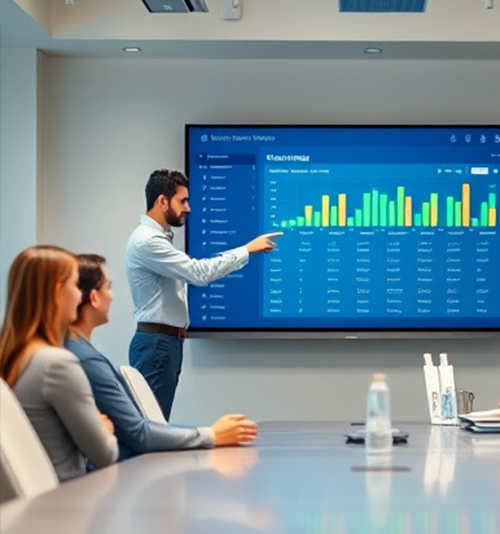
Perhaps the most overlooked advantage of a queue management system vs manual waiting lines is the wealth of data it generates. Manual queues produce zero actionable insights. A queue management system, however, captures detailed metrics on every aspect of the customer journey.
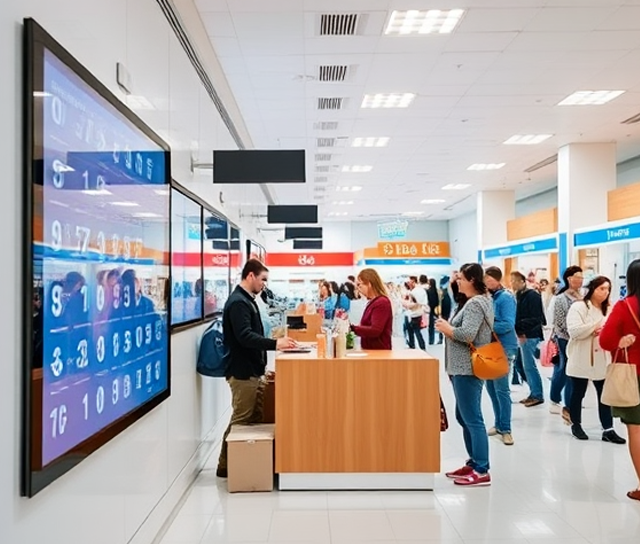
After examining every angle of the queue management system vs manual waiting lines debate, the conclusion is clear. Manual waiting lines are a relic of the past — a system that causes frustration, inefficiency, and revenue loss. A queue management system is the future — a solution that enhances customer experience, boosts operational efficiency, empowers staff, and provides actionable data for continuous improvement.
Businesses that continue to rely on manual queuing are not just falling behind — they are actively losing customers, revenue, and competitive advantage. The choice between a queue management system vs manual waiting lines is not a matter of preference. It is a matter of business survival and growth.
The debate between a queue management system vs manual waiting lines is over. The winner is clear. QueueBee's queue management system eliminates the chaos of manual lines, reduces wait times by up to 50%, and transforms your customer experience from frustrating to flawless. Join thousands of businesses that have already made the switch.
Contact us today for a personalised demo and see the difference for yourself.