
Every day, thousands of Filipinos visit government offices across the country — from the Department of Foreign Affairs to local civil registry offices, from the Bureau of Internal Revenue to the Land Transportation Office. The purpose of these visits is often urgent: passport renewals, tax filings, business permits, and social security transactions. Yet, what many citizens encounter is a long, unstructured queue that stretches for hours, sometimes even entire days.
Traditional queue management in government offices relies on first-come-first-served physical lines. Citizens arrive early in the morning, sometimes before dawn, only to face overcrowded waiting areas, unclear service processes, and unpredictable wait times. This outdated approach not only frustrates citizens but also overwhelms government staff who struggle to manage the chaos efficiently. The result is declining public trust, increased complaints, and inefficient use of public resources.
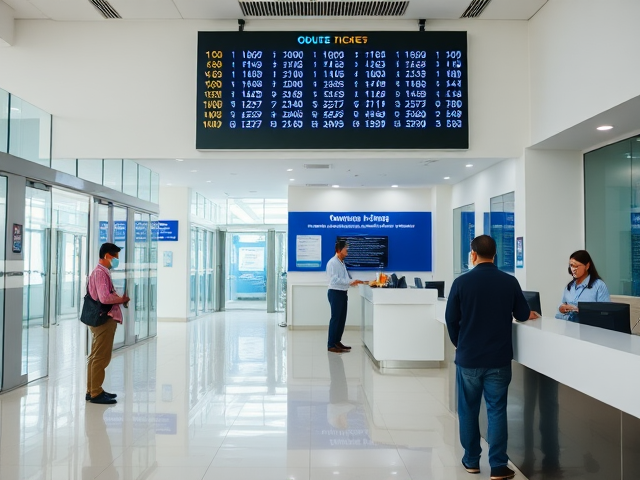
The Philippines has been actively pursuing digital transformation through initiatives like the E-Government Masterplan and the Ease of Doing Business Act. Yet, the front-line citizen experience at government offices has not kept pace with these reforms. A modern queue management system is the critical missing link between policy and practice.
Government offices serve millions of citizens daily, and the efficiency of their service directly impacts public confidence in governance. Long queues, disorganised processes, and poor communication are not mere inconveniences — they are barriers to access, particularly for elderly citizens, persons with disabilities, and those who must take time off work to wait in line. A virtual queue system eliminates these barriers by allowing citizens to join a queue remotely, receive real-time updates, and arrive only when their turn is near.
Understanding the options available to Philippine government agencies
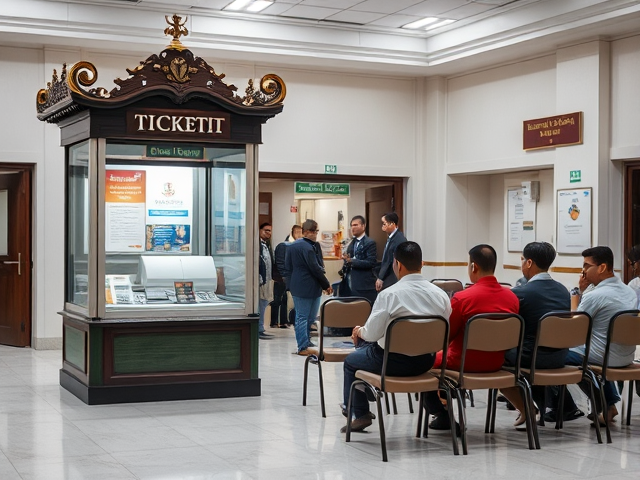

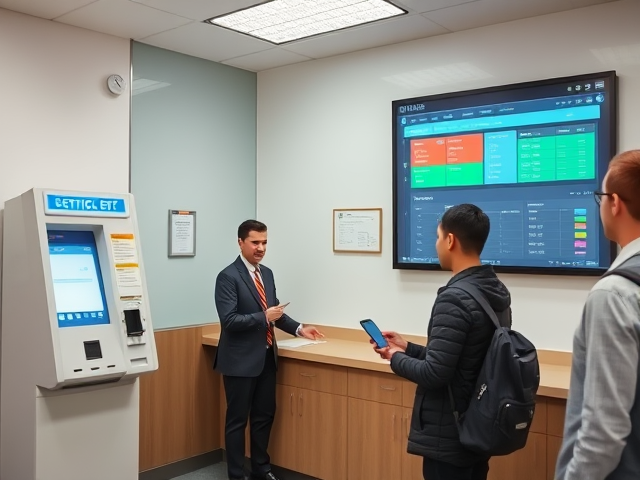
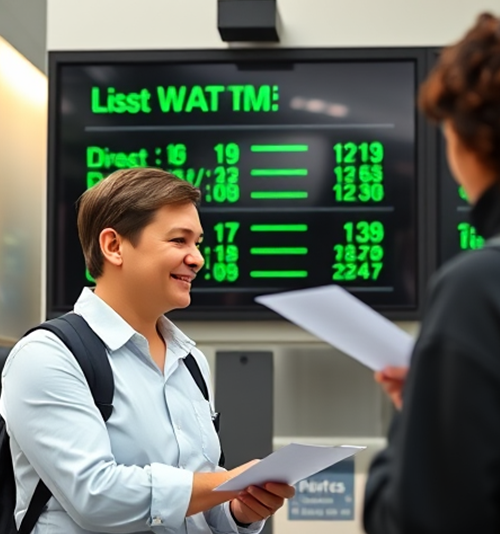
In many Philippine government offices, citizens routinely wait between two to four hours for basic transactions. A queue management system directly addresses this pain point by organising service delivery, prioritising urgent cases, and ensuring that each citizen is served in an orderly fashion. Studies show that when wait times are reduced to under 15 minutes, citizen satisfaction scores increase dramatically.
Long wait times are not just frustrating — they have real economic costs. Citizens who spend hours in queue lose productive work hours, incur transportation expenses, and sometimes miss other important commitments. By implementing a smart queue system, government offices can reduce average wait times by up to 70%, freeing citizens to focus on their core transaction rather than standing in line.
A virtual queue system takes this further by allowing citizens to join the queue remotely. Instead of arriving at the office at 5 AM and waiting for hours, citizens can join the queue from home, receive SMS notifications when their turn is approaching, and arrive only when they are ready to be served. This transforms the citizen experience from a burdensome ordeal into a streamlined, predictable process.
One of the most significant frustrations in government office visits is the lack of information. Citizens often have no idea how long they will wait, whether their documents are complete, or which counter they should proceed to. A queue management system resolves this by providing real-time communication at every stage of the service journey.
Here is how improved communication through a queue management system benefits government offices and citizens:
By integrating seamless communication into the queuing process, government offices can keep citizens informed through digital displays, SMS alerts, and mobile app notifications. This not only smooths out the waiting experience but also reinforces the government's commitment to citizen-centric service delivery.
Government offices in the Philippines often experience unpredictable surges in foot traffic — especially during peak periods such as tax filing season, pension disbursement months, or after policy announcements. A queue management system enables government agencies to manage these surges proactively rather than reactively.
Efficient crowd management is vital for any government service point. It is not just about guiding people — it is about creating an orderly, respectful environment where citizens feel valued and heard. This approach does not just solve logistical issues — it enhances the entire citizen experience.
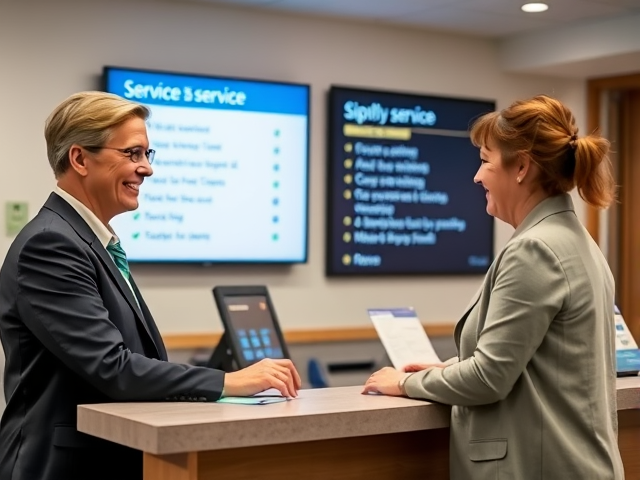
In the context of Philippine governance, public service quality is a direct reflection of the government's commitment to its citizens. A queue management system plays a crucial role in elevating this quality across multiple dimensions:
Effective public service is a continuous journey of understanding and responding to citizen needs. Implementing a robust queue management system is a powerful step in this journey, ensuring that every government interaction counts towards building a stronger, more trusting relationship between the state and its people.
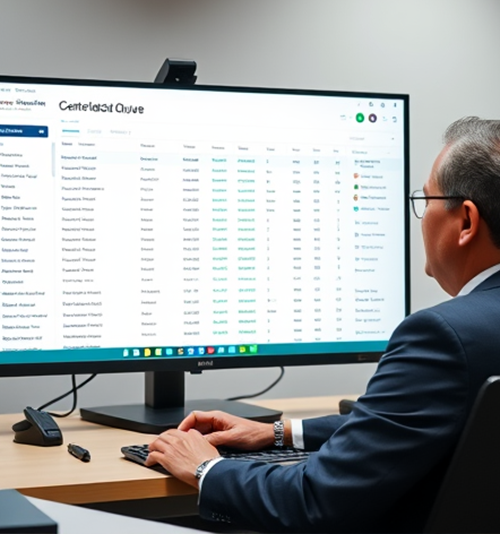
Government employees in the Philippines face enormous pressure. They serve thousands of citizens daily, often with limited resources, outdated systems, and inadequate staffing. The stress of managing chaotic queues, dealing with frustrated citizens, and processing transactions under time pressure takes a significant toll on staff morale and productivity.
When citizens are angry about long waits, government staff become the targets of that frustration. This is not just demoralising — it leads to high turnover rates, burnout, and a workforce that is constantly struggling to cope. A smart queue system alleviates this burden by bringing order to the chaos.
A queue management system streamlines the waiting process, keeps citizens informed, and allows government staff to focus on what they do best — serving citizens effectively. When the queue is managed automatically, staff no longer need to manually count tickets, manage physical lines, or repeatedly explain wait times.
Imagine a government office where citizens know exactly what to expect and when. They are less likely to take out their frustration on staff because they are not caught in an endless loop of uncertainty. This kind of transparency does not just help citizens — it takes a massive load off government employees too.
And when staff are not constantly putting out fires caused by long waits and poor communication, they are free to focus on delivering quality service. They can personalise interactions, resolve complex cases, and genuinely connect with citizens. This not only improves morale among government workers but also elevates the overall quality of public service delivery.
In government operations, inefficiencies are more than just inconveniences — they directly impact the national budget and taxpayer money. Long, unmanaged queues lead to wasted staff hours, increased need for security personnel, higher utility costs from overcrowded facilities, and lost productivity from citizens who spend hours waiting instead of working.
A queue management system addresses these costs systematically:
The impact of a queue management system on government operations can be substantial. By improving productivity and efficiency, it opens the door to significant operational cost savings. When replicated across hundreds of government offices nationwide, the cumulative savings in time, resources, and improved citizen satisfaction are enormous.
A modern queue management system does more than just manage lines — it provides valuable data across the entire citizen service journey. This data is essential for government agencies to make smarter, more informed decisions about resource allocation, service design, and policy implementation.
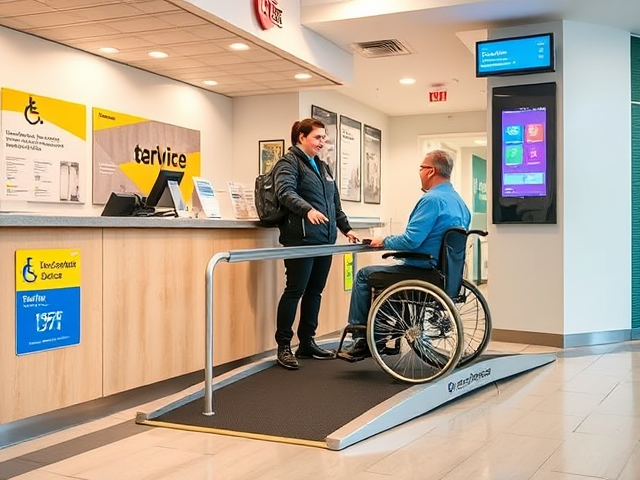
The Philippines has established several legal and policy frameworks that mandate efficient, accessible, and citizen-friendly government services. A queue management system helps government offices comply with these requirements while exceeding minimum standards.
By implementing a queue management system, Philippine government offices demonstrate their commitment to transparency, accessibility, and efficient public service — values that are essential for a modern, citizen-centric government.
Ready to modernise your government office with a smart queue management system? Discover how QueueBee's virtual queue system can transform citizen service delivery, reduce wait times, and build public trust across Philippine government agencies.
Contact us today for a personalised government solution