
Picture this: it is a typical Tuesday morning at a busy polyclinic in Makati. The waiting area is packed. Patients sit on plastic chairs, some clutching their medical records, others checking their phones to pass the time. A nurse calls out a number, but the queue is disorganised. People who arrived later have already been served ahead of those who waited longer. Frustration builds. A mother with a feverish child shifts uncomfortably. An elderly man sighs, wondering if he should just go home.
This scene plays out in clinics across the Philippines every single day. Long wait times, manual ticketing, and chaotic patient flow are not just inconveniences — they affect patient satisfaction, staff morale, and even clinical outcomes. The good news? A self check-in queue system can change all of that.
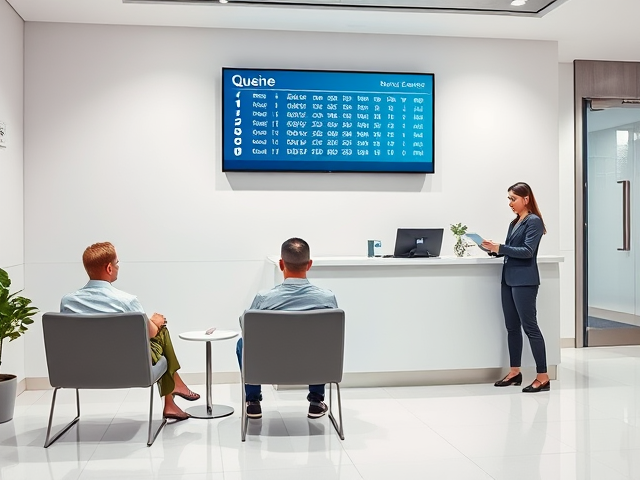
Healthcare in the Philippines is evolving rapidly. With more private clinics opening in urban centres like Metro Manila, Cebu, Davao, and Baguio, competition for patients has intensified. Patients no longer tolerate long waits, confusing processes, or disorganised service. They expect the same level of convenience they experience in banks, restaurants, and government service centres.
A modern queue management system addresses this gap. It brings order to chaos, reduces perceived wait times, and creates a professional first impression. For clinic administrators, it means better staff allocation, fewer complaints, and smoother daily operations. For patients, it means a calmer, more predictable visit from the moment they walk through the door.
Key Components of the Patient Queue Management System
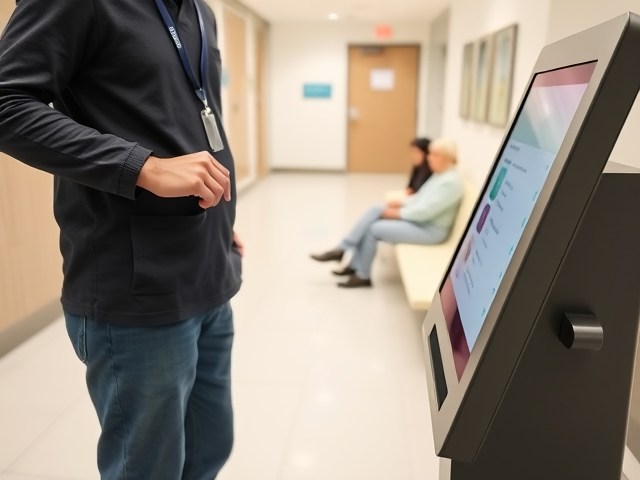
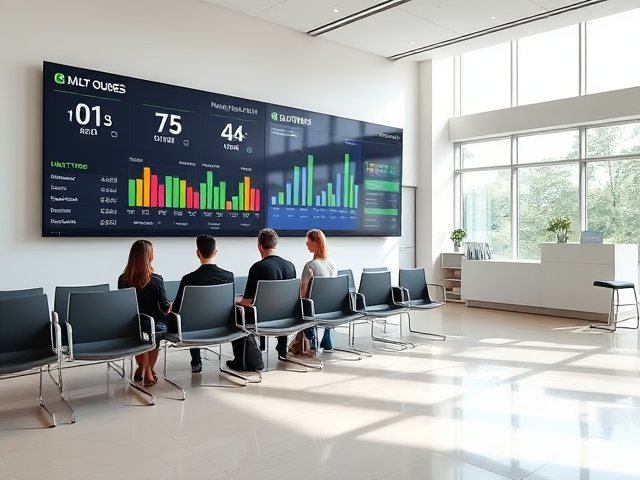

Studies show that patients in Philippine clinics often wait between 45 minutes to over two hours before being seen. This is unacceptable in an era where time is precious. A well-implemented queue management system can cut average wait times by up to 60 percent, ensuring patients are seen promptly and fairly.
Long wait times do more than frustrate patients — they lead to no-shows, negative reviews, and lost revenue. When patients know their time will be respected, they are more likely to return and recommend the clinic to family and friends. A self check-in queue system ensures that the first person to arrive is the first person to be served, eliminating the unfairness of manual queuing.
For clinic managers, shorter wait times translate to higher patient throughput. More patients can be served per day without adding more staff or expanding physical space. This is the kind of operational efficiency that transforms a struggling clinic into a thriving healthcare practice.
The patient journey begins the moment a person decides to visit a clinic. Every touchpoint — from booking to check-in, waiting, consultation, and payment — shapes their perception of the healthcare provider. A self check-in queue system enhances every stage of this journey.
Here is how the patient queue management system improves each phase:
By digitising the queue process, clinics create a patient journey that feels modern, respectful, and professional. Patients leave not just treated, but valued. And in the competitive Philippine healthcare market, that distinction matters enormously.
Clinic receptionists and front-desk staff in the Philippines often juggle multiple roles — answering calls, managing records, processing payments, and manually dispensing queue tickets. This overload leads to burnout, errors, and inconsistent patient treatment. A self check-in queue system redistributes this workload intelligently.
For clinic administrators, this means happier staff, fewer operational errors, and a more professional environment. When your team is not constantly putting out queue-related fires, they can focus on what truly matters — delivering quality healthcare.
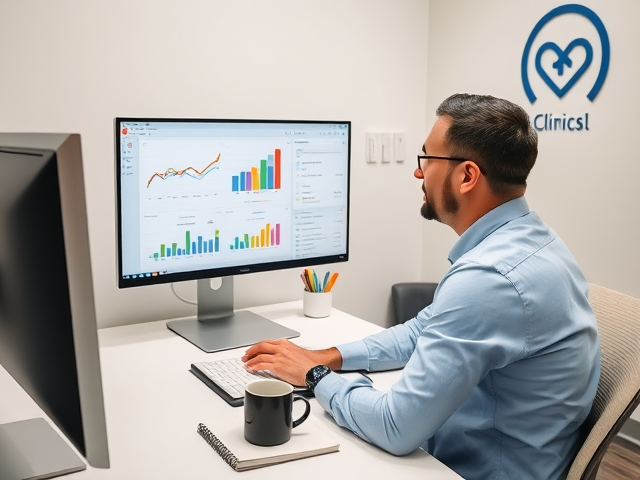
Every patient visit generates data — wait times, peak hours, service duration, no-show rates, and patient demographics. Without a queue management system, this information is lost. With it, clinic owners gain actionable insights that drive continuous improvement.
In the Philippine healthcare landscape, data-driven decision making is no longer optional. Clinics that leverage queue management system analytics gain a competitive edge, enabling them to scale intelligently and serve more patients with the same resources.
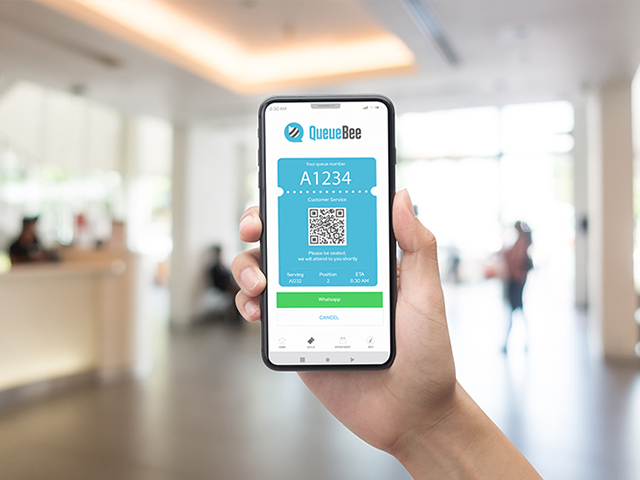
QueueBee is not just another queue management system. It is a purpose-built solution designed for the unique needs of healthcare providers in the Philippines. Here is why clinics across the country trust QueueBee:

When you choose QueueBee, you are not just buying software — you are investing in a partner committed to transforming healthcare delivery in the Philippines.
Across the Philippines, clinics that have adopted QueueBee's self check-in queue system report remarkable improvements. These are not theoretical benefits — they are real outcomes experienced by real healthcare providers.
These results are consistent across clinic types and sizes. The queue management system does not just improve operations — it transforms the patient experience and strengthens the clinic's reputation in the community.
Implementing a self check-in queue system is simpler than you think. QueueBee guides you through every step — from initial consultation and site assessment to kiosk installation, staff training, and go-live support. Most clinics are fully operational within one week.
Don't let outdated queue management hold your clinic back. Join the growing number of Philippine clinics that have transformed their patient experience with QueueBee. Contact us today to schedule your free consultation and take the first step toward smarter clinic management.
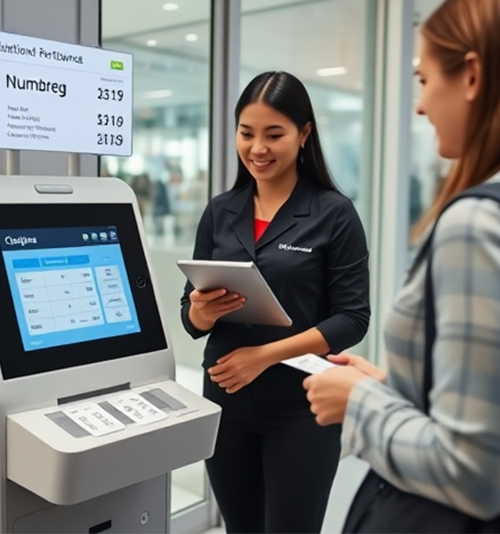
Ready to eliminate long wait times, reduce staff stress, and deliver a modern patient journey? QueueBee's self check-in queue system is the queue management system trusted by clinics across the Philippines. Contact us today for a free consultation and demo.
Take the first step toward smarter clinic management.