
What Is a Smart Queue System and Why Public Sectors in the Philippines Need It

Blog | Last Updated: May 15, 2026

Is Your Public Sector Agency Struggling With Queue Management?

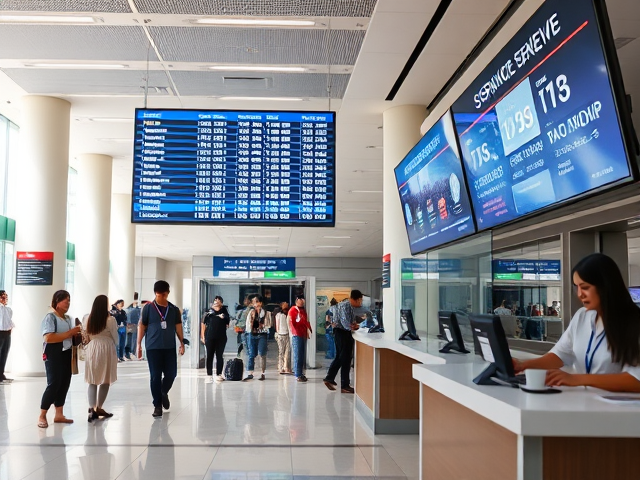
In the Philippines, millions of citizens visit government offices every day — from the Department of Foreign Affairs for passport renewals, to the Bureau of Internal Revenue for tax filings, to local civil registry offices for birth and marriage certificates. Yet, despite the critical nature of these services, many public sector agencies still rely on outdated, manual queuing methods that create long lines, confusion, and frustration. The result? A poor customer experience that erodes public trust and diminishes confidence in government institutions.
Inefficient Resource Allocation

Manual queuing systems make it nearly impossible for agencies to track peak hours, predict demand, or allocate staff effectively. This leads to understaffed counters during rushes and idle staff during lulls, wasting public resources.

Crowded and Chaotic Environments

Without proper queue management, government offices become overcrowded, leading to safety concerns, especially during peak hours or pandemics. The lack of order and structure creates a stressful environment for both citizens and staff.

Excessive Wait Times

Citizens often spend hours waiting in long lines at government offices. This makes it harder to access important services, especially for elderly people, persons with disabilities, and busy workers who cannot take time off.

Lack of Data and Accountability

Traditional queue systems generate no data. Agencies have no visibility into average service times, peak periods, or citizen satisfaction levels. Without this information, continuous improvement is impossible, and accountability remains elusive.

Negative Public Perception

When citizens experience long waits, disorganised queues, and unhelpful staff, their perception of the government suffers. Negative experiences spread quickly through social media and word-of-mouth, damaging the reputation of public institutions and undermining trust in governance.
Smart Queue System for Public Sectors in the Philippines

Addressing these challenges is not optional — it is a necessity for modernising public service delivery in the Philippines. Recognising the pivotal role of an effective queue management system forms the foundation for transforming the customer experience from the moment a citizen decides to engage with a government agency.

What Is a Smart Queue System?

Key Features of QueueBee's Smart Queue System for Public Sectors

Smart Queue System Features for Government Offices

Virtual Queueing for Citizens

A smart queue system allows citizens to join a queue remotely through a mobile app, website, or SMS. Instead of physically waiting in line, they receive a digital ticket and real-time updates on their position, enabling them to arrive just in time — dramatically improving the customer experience.

Appointment Scheduling Integration

Government agencies can offer online appointment booking alongside walk-in queues. Citizens can schedule their visits at convenient times, reducing walk-in congestion and enabling agencies to prepare adequate staffing and resources for peak periods.

Smart Staff Allocation

The system provides real-time analytics on queue length, average service time, and peak hours. Agency managers can use this data to dynamically allocate staff across counters, ensuring that resources are deployed where they are most needed at any given moment.

Citizen Feedback and Insights

A modern queue system captures valuable data on citizen behaviour, service times, and satisfaction levels. This intelligence enables public sector agencies to identify bottlenecks, streamline processes, and continuously improve the customer experience.

Real-Time Notifications and Updates

Citizens receive SMS, email, or app notifications about their queue status, estimated wait time, and assigned counter. This transparency eliminates uncertainty, reduces anxiety, and fosters trust in government service delivery.

For a deeper understanding of how QueueBee's Smart Queue System can revolutionise government service delivery, visit our queue management system page.

In Summary: Implementing QueueBee's smart queue system offers a comprehensive solution to the chronic queue management challenges faced by public sector agencies in the Philippines. Its features are designed to enhance the customer experience, improve operational efficiency, and support the broader agenda of digital government transformation.

How a Smart Queue System Improves Customer Experience in Public Sectors

The integration of a smart queue system fundamentally transforms how citizens interact with government services. By addressing key pain points with innovative technology, public sector agencies can offer a more streamlined, efficient, and dignified service journey. Here's how a smart queue system enhances various aspects of the customer experience for Filipino citizens:

Dramatically Reduced Wait Times

Virtual queueing eliminates the need for citizens to physically stand in line for hours. By allowing remote queuing and real-time position updates, the perceived wait time drops significantly, and the actual wait time is optimised through intelligent scheduling and staff allocation.

Increased Convenience and Accessibility

Citizens can join a queue from anywhere — their home, workplace, or while commuting. This flexibility is especially valuable for working professionals, senior citizens, and persons with disabilities who face significant barriers when visiting government offices in person.

Dignified and Orderly Service

A smart queue system brings structure and fairness to government service delivery. First-come-first-served principles are enforced digitally, eliminating queue-jumping and the chaos that often accompanies manual queuing at busy government offices.

Transparent and Trustworthy Process

Real-time notifications and digital queue tracking create transparency. Citizens always know their position, estimated wait time, and assigned counter. This openness builds trust in government institutions and reduces the perception of corruption or favouritism.

Data-Driven Service Improvement

The analytics generated by a smart queue system enable agencies to understand citizen patterns, identify bottlenecks, and make evidence-based decisions. Over time, this leads to progressively better service delivery and a continuously improving customer experience.

Enhanced Staff Morale and Efficiency

When queues are managed intelligently, government staff face less stress, fewer confrontations, and more predictable workloads. This leads to higher morale, better service quality, and a more positive interaction between public servants and citizens.

Why Public Sectors in the Philippines Need a Smart Queue System Now

The Philippines is undergoing a rapid digital transformation, with the government pushing for e-governance and digital public services under the Digital Philippines framework. Yet, the gap between policy ambition and ground-level service delivery remains wide. A smart queue system is not a luxury — it is an urgent necessity for public sector agencies that want to meet the expectations of modern Filipino citizens. Here are compelling reasons why the Philippine public sector must adopt a smart queue system:
High Volume of Citizen Traffic

Philippine government offices serve tens of millions of citizens annually. From passport processing at the DFA to social security transactions at SSS, the sheer volume of walk-ins overwhelms traditional queuing methods. A smart queue system is essential to manage this scale efficiently.

Reducing Corruption and Favouritism

Manual queuing systems are vulnerable to queue-jumping, patronage, and informal payments. A digital smart queue system enforces fairness through transparent, first-come-first-served digital queuing, reducing opportunities for corruption and building public trust in government institutions.

Rising Citizen Expectations

Filipino citizens are increasingly accustomed to digital convenience in the private sector — from online banking to food delivery. They expect the same level of convenience and efficiency from government services. A smart queue system bridges this expectation gap and elevates the customer experience.

Government Efficiency Mandates

The Philippine government has set ambitious targets for digital transformation and service efficiency under the Philippine Development Plan and the E-Governance Masterplan. Implementing a smart queue system is a concrete step toward meeting these mandates and demonstrating accountability to the public.

Disaster Resilience and Continuity

Philippines is prone to typhoons, earthquakes, and other natural disasters. A smart queue system with virtual queuing capabilities ensures that citizens can still access government services remotely during disruptions, maintaining continuity of essential public services.
Smart Queue System Benefits for Philippine Government Offices

A smart queue system is not a one-size-fits-all solution, but for Philippine public sector agencies facing challenges with citizen flow management, declining satisfaction scores, or operational inefficiencies, it can be a transformative tool. By providing a more streamlined, efficient, and citizen-friendly service experience, QueueBee's smart queue system helps government agencies not only meet but exceed their service delivery goals. It is about taking proactive steps toward not just solving current problems but also paving the way for a more responsive, transparent, and citizen-centric government.

Transform Public Service Delivery in the Philippines Today

Discover how QueueBee's Smart Queue System can revolutionise government service delivery across the Philippines. With our innovative solution, public sector agencies can eliminate long queues, improve the customer experience, and build public trust through transparent and efficient service. Don't let outdated queue management hold your agency back. Take the first step toward a modern, citizen-centric government with QueueBee.